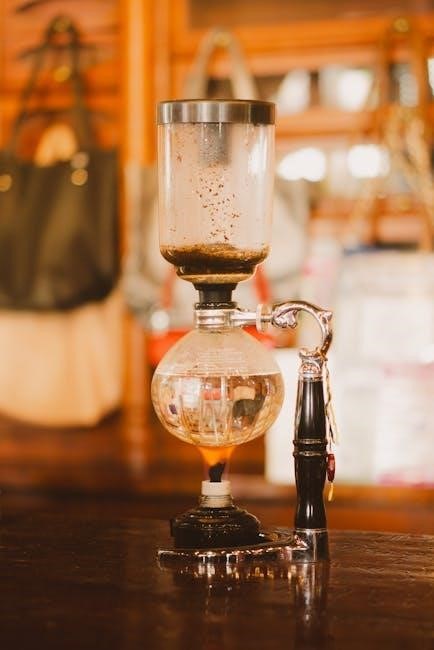
Discover the convenience of crafting café-quality cold brew at home! Modern machines, like the Mr. Coffee Express, simplify the process, eliminating overnight steeping times.
What is Cold Brew?
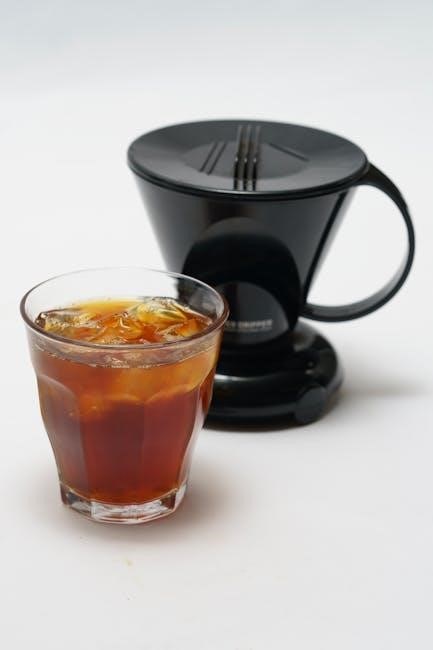
Cold brew is a method of steeping coffee grounds in cold or room temperature water for an extended period, typically 10-20 hours. Unlike iced coffee, which is hot-brewed coffee chilled over ice, cold brew boasts a smoother, less acidic flavor profile. This process extracts different compounds from the coffee, resulting in a naturally sweeter concentrate.
The extended steeping minimizes acidity and bitterness, making it easier on the stomach. Machines like the Vinci Express 2 streamline this, delivering delicious cold brew in just a few steps, bypassing lengthy traditional methods.
Benefits of Using a Cold Brew Coffee Maker
Cold brew coffee makers offer unparalleled convenience, transforming a lengthy process into a simple, automated experience. Machines like the Mr. Coffee Express Cold Brew deliver cafe-quality results in mere minutes, eliminating overnight steeping. They also provide consistent results, minimizing guesswork and ensuring a perfect brew every time.
Furthermore, these makers often simplify cleanup and offer features like programmable timers, enhancing the overall user experience and making delicious cold brew accessible to everyone.
Types of Cold Brew Coffee Makers
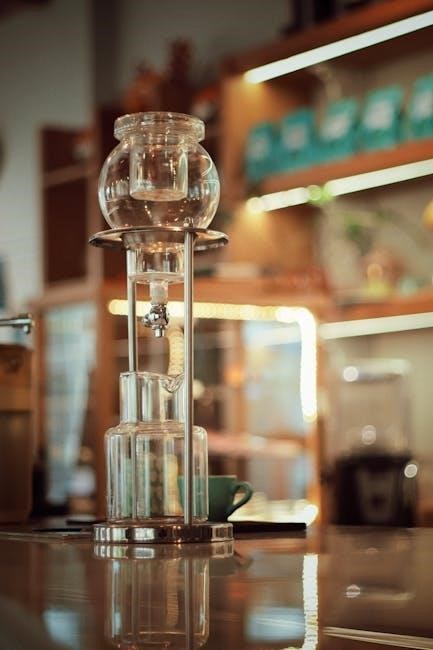
Explore diverse options: immersion, drip, and electric/automatic models like the Vinci Express 2 and Ecoldbrew, each offering unique brewing methods and features.
Immersion Cold Brew Makers
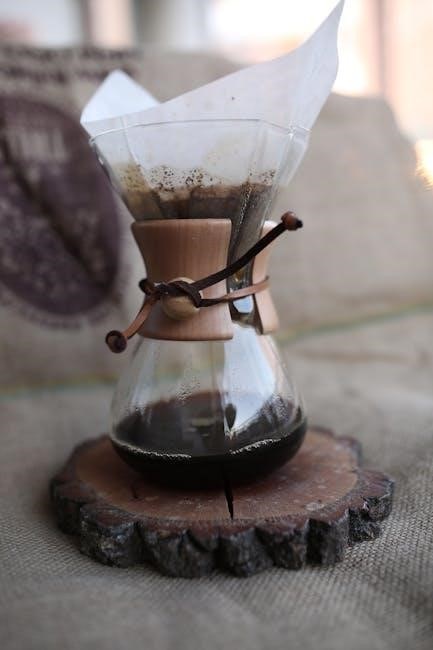
Immersion methods involve fully submersing coffee grounds in water for an extended period, typically 12-24 hours, at room temperature or in the refrigerator. This simple technique requires minimal equipment – a container and a filter. The prolonged steeping extracts rich, smooth flavors. These makers are often more affordable and portable.
The process relies on time and consistent contact between the grounds and water. Achieving the desired strength involves experimenting with coffee-to-water ratios and steep times. Filtration is crucial for removing sediment, resulting in a clean, concentrated brew ready for dilution.
Drip Cold Brew Makers
Drip cold brew systems mimic pour-over coffee, but operate over a much longer timeframe. Water slowly drips through coffee grounds, typically over several hours, creating a concentrated brew. These systems often feature a reservoir for water and a filter basket for grounds.
The slow drip process results in a clean, less acidic coffee. Control over drip speed influences extraction; slower drips generally yield stronger brews. Drip makers offer a balance between simplicity and control, providing a consistent method for cold brew production without extensive steeping times.
Electric/Automatic Cold Brew Makers
Electric cold brew makers, like the Vinci Express 2 and Ecoldbrew, automate the entire process, drastically reducing brew times. These machines typically involve adding water and grounds, selecting a brew strength, and initiating a cycle – often completing in under an hour!
The Ecoldbrew, debuted at CES 2025, represents a leap in automation, being the world’s first personal automatic cold brew machine. These convenient options eliminate manual stirring and filtering, delivering consistent results with minimal effort, perfect for busy schedules.
Setting Up Your Cold Brew Coffee Maker
Prepare for delicious cold brew by selecting quality coffee grounds and ensuring optimal water quality. Precise ratios are key to a perfect concentrate!
Choosing the Right Coffee Grounds
Selecting the ideal coffee grounds is crucial for exceptional cold brew. Generally, a coarse grind is recommended, similar to what you’d use for a French press. This prevents over-extraction and ensures a smoother, less acidic final product. Darker roasts often yield richer, bolder flavors, while lighter roasts can offer brighter, more nuanced profiles. Experimenting with different origins and roast levels allows you to tailor the brew to your personal preference. Freshly ground beans are always best, maximizing flavor and aroma, but pre-ground options can be convenient.
Water Quality and Ratio
Utilizing filtered water is paramount for optimal cold brew flavor, as impurities can significantly impact the taste. A typical coffee-to-water ratio falls between 1:4 and 1:8, depending on desired concentrate strength. A 1:4 ratio creates a stronger concentrate, ideal for dilution, while 1:8 yields a ready-to-drink brew. Begin with a 1:5 ratio and adjust to your liking. Precise measurements are key; consistently using the same ratio ensures repeatable results and a consistently delicious cold brew experience.
Grind Size for Cold Brew
Coarse grinding is crucial for cold brew; resembling French press grounds is ideal. Finer grinds lead to over-extraction, resulting in bitter, muddy flavors. A coarser grind allows for even saturation and prevents clogging filters during the brewing process. Consistent grind size is also important for balanced extraction. Pre-ground coffee marketed for cold brew is convenient, but freshly grinding beans just before brewing unlocks the fullest flavor potential, enhancing your cold brew experience significantly.
Step-by-Step Instructions: Immersion Method
Combine coffee grounds and water, steep for an extended period, then filter the concentrate. This simple process delivers a smooth, low-acid cold brew experience at home.
Adding Coffee Grounds and Water
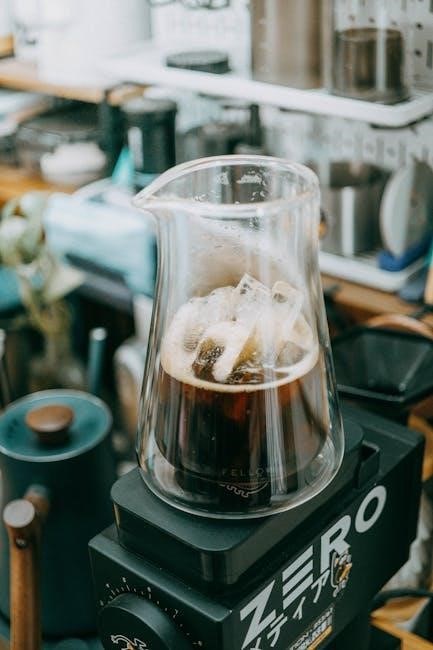
Begin by carefully measuring your chosen coffee grounds and placing them directly into the cold brew maker’s container. The ideal ratio typically involves a concentrated blend, so don’t be shy with the amount! Next, slowly pour cool, filtered water over the grounds, ensuring they are fully saturated.
Gentle stirring helps to evenly distribute the water and initiate the extraction process. For immersion methods, complete saturation is key for optimal flavor. Avoid using warm or hot water, as this can negatively impact the cold brew’s smooth profile. Secure the lid and prepare for the steeping phase!
Steeping Time and Temperature
The magic happens during steeping! For traditional immersion cold brew, allow the coffee grounds to steep in cool water for an extended period – typically 12 to 24 hours. Temperature consistency is crucial; maintain a cool, stable environment away from direct sunlight. Electric models, like the Mr. Coffee Express, drastically reduce this time to around 10 minutes.
Longer steeping generally results in a stronger, more concentrated brew. Experiment to find your preferred strength. Remember, patience is a virtue when crafting exceptional cold brew!
Filtering the Cold Brew Concentrate
Once steeping is complete, carefully filter the coffee grounds. Immersion methods often utilize a fine-mesh filter, cheesecloth, or a paper filter. Electric machines, such as the Mr. Coffee Express, typically have a built-in filter basket for effortless separation. Ensure thorough filtration to remove all sediment, resulting in a smooth, clean concentrate.
Double filtering can further refine the brew. The resulting concentrate is potent; dilute with water or milk to your desired strength before enjoying this refreshing beverage!
Step-by-Step Instructions: Electric/Automatic Method (Mr. Coffee Express Cold Brew)
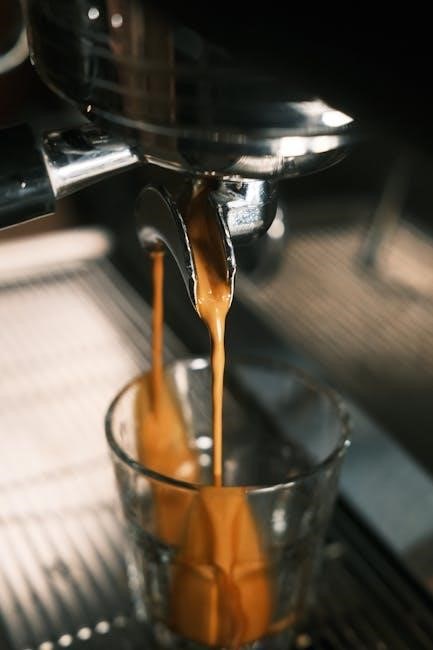
Utilize the Mr. Coffee Express for quick cold brew! Simply add water and grounds, select your brew strength, and enjoy cafe-quality coffee in minutes.
Filling the Water Reservoir
Begin by carefully removing the water reservoir from the Mr. Coffee Express Cold Brew Maker. Locate the maximum fill line indicated inside the reservoir – do not exceed this level to prevent overflow during the brewing cycle. Using a clean water source, gently pour in the desired amount of cold, filtered water.
Ensure the reservoir is securely seated back into the machine, aligning it properly with the base. A snug fit is crucial for preventing leaks and ensuring optimal brewing performance. Double-check that the reservoir is fully inserted before proceeding to the next step, adding the coffee grounds.
Adding Coffee Grounds to the Filter
Next, open the filter basket within the Mr. Coffee Express Cold Brew Maker. Insert a paper filter, ensuring it’s properly seated to prevent grounds from escaping into the final brew. Carefully measure your coarsely ground coffee – the ideal ratio is typically one cup of grounds per four cups of water, adjust to taste.
Gently pour the coffee grounds into the filter, distributing them evenly. Avoid overfilling the filter basket, leaving some space for expansion during the brewing process. Securely close the filter basket, ensuring it clicks into place for a tight seal.
Initiating the Brewing Cycle
With the water reservoir filled and the coffee grounds securely in the filter, it’s time to begin! Plug in the Mr. Coffee Express Cold Brew Maker and press the power button. The machine will automatically begin the cold brew process, gently circulating water through the coffee grounds.
The brewing cycle typically takes around 20-30 minutes. During this time, you’ll notice the machine operating quietly. Once complete, the machine may beep or automatically switch to a keep-cool mode, signaling the brew is finished.
Cleaning and Maintenance
Regular cleaning ensures optimal performance and longevity. Daily rinsing of components is crucial, alongside a scheduled deep clean and occasional descaling.
Daily Cleaning Procedures
After each use, disassemble removable parts like the filter basket and carafe. Rinse these components thoroughly with warm, soapy water to remove coffee residue. Pay close attention to any small crevices where grounds might accumulate. Ensure all soap is rinsed away completely to avoid altering the flavor of future brews. The machine’s exterior can be wiped down with a damp cloth. Avoid abrasive cleaners, as they may damage the surface. Properly drying all parts before reassembly prevents mold or mildew growth, maintaining hygiene and extending the lifespan of your cold brew maker.
Deep Cleaning Schedule
For optimal performance, a deep clean is recommended monthly. Disassemble all removable parts and soak them in a solution of warm water and mild dish soap for at least 30 minutes. Inspect the machine for mineral buildup, particularly in the water reservoir. A descaling solution (vinegar works well) can remove these deposits. Run a full brewing cycle with the descaling solution, followed by two cycles with fresh water to rinse thoroughly. This ensures a clean, flavorful brew and prolongs the life of your cold brew coffee maker.
Descaling Your Cold Brew Maker
Mineral deposits from water can affect brew quality and machine efficiency. Descale every three months, or more often with hard water. Use a commercial descaling solution or a 1:1 mixture of white vinegar and water. Run a full brew cycle with the solution, then two cycles with fresh water to rinse completely. This removes buildup, restoring optimal performance and ensuring your cold brew consistently tastes its best. Regular descaling extends the lifespan of your machine.
Troubleshooting Common Issues
Address weak or cloudy brews, or slow brewing. Adjust coffee ratios, grind size, or ensure proper cleaning to optimize your cold brew experience.
Weak Cold Brew
If your cold brew lacks the desired strength, several factors could be at play. First, ensure you’re using a sufficient amount of coffee grounds relative to the water. Experiment with increasing the coffee-to-water ratio slightly. Secondly, verify your grind size isn’t too coarse; a medium-coarse grind is generally recommended.
Additionally, confirm adequate steeping time – longer steeping usually results in a bolder flavor. Finally, consider the coffee bean itself; darker roasts typically yield a stronger brew than lighter ones. Adjust these variables incrementally to achieve your preferred intensity.
Cloudy Cold Brew
A slightly cloudy appearance in cold brew is often normal, stemming from the coffee’s natural oils and fine particles. However, excessive cloudiness can indicate insufficient filtration. Ensure your filter is properly seated and hasn’t been compromised. Using a paper filter in addition to a metal one can further refine the brew.
Slow filtration or a build-up of sediment can also contribute to cloudiness. Gently stir the concentrate during steeping, avoiding excessive agitation. If cloudiness persists, consider a second filtration pass through a clean filter.
Slow Brewing Time
If your cold brew process is taking significantly longer than expected, several factors could be at play. Check the water flow in automatic machines like the Ecoldbrew, ensuring no blockages are present. For immersion methods, confirm the coffee grounds aren’t packed too tightly, hindering water circulation.
Ambient temperature also impacts brewing speed; colder temperatures naturally slow the process. While patience is key, excessively slow brewing might suggest an issue with the machine or an improper coffee-to-water ratio.
Advanced Techniques & Recipes
Elevate your cold brew! Experiment with concentrate ratios and infuse flavors like vanilla or cinnamon for unique, personalized coffee experiences at home.
Cold Brew Concentrate Ratios
Understanding concentrate ratios is key to customizing your cold brew’s strength. A standard ratio typically falls between 1:4 and 1:8 – coffee grounds to water. For a bolder, more intense flavor, opt for a 1:4 ratio. This creates a very strong concentrate requiring significant dilution.
Conversely, a 1:8 ratio yields a lighter concentrate, needing less dilution. Experimentation is encouraged! Start with 1:6, then adjust based on your preference. Remember to account for dilution when determining the final brew strength; typically, a 1:1 dilution with water or milk is recommended.
Flavor Infusions (Vanilla, Cinnamon)
Elevate your cold brew with delightful flavor infusions! During the steeping process, add a vanilla bean (split open) or cinnamon sticks directly to the coffee grounds and water. For vanilla, use approximately one bean per 64 ounces of water. Cinnamon benefits from 2-3 sticks for a similar volume.
Alternatively, incorporate extracts after brewing, adding a few drops to your concentrate and adjusting to taste. Maple syrup or cocoa powder can also be blended in post-filtration for unique profiles. Remember, subtle additions often yield the most balanced results!
Comparing Popular Models (2025)
Explore leading cold brew makers like Mr. Coffee Express, Vinci Express 2, and the innovative Ecoldbrew – each offering unique features and brewing styles.
Mr. Coffee Express Cold Brew Maker
The Mr. Coffee Express Cold Brew Maker streamlines the process, delivering ready-to-drink cold brew in just ten minutes. This eliminates the traditional lengthy overnight steeping required by many methods. Simply add water to the reservoir and coffee grounds to the filter basket. Select your desired brew strength, and initiate the cycle with the touch of a button.
Its design prioritizes ease of use, making it ideal for those new to cold brew or seeking a quick and convenient solution. This model is frequently highlighted for its ability to produce cafe-quality results efficiently.
Vinci Express 2 Electric Cold Brew Coffee Maker
The Vinci Express 2 Electric Cold Brew Coffee Maker simplifies cold brew preparation into just three straightforward steps. Begin by adding water to the designated reservoir, ensuring it reaches the appropriate fill line. Next, introduce your preferred coffee grounds into the integrated filter. Finally, select your desired brewing option – typically offering choices for strength or concentration.
This appliance then handles the rest, automatically brewing a smooth and flavorful cold brew concentrate, ready for dilution and enjoyment. It’s designed for quick and easy operation.
Ecoldbrew ౼ Automatic Cold Brew Machine
As the world’s first personal automatic cold brew machine, debuted at CES 2025, the Ecoldbrew streamlines the entire process. While specific instructions require the user manual, the core function involves filling the water reservoir and adding coffee grounds to the designated compartment.
The machine’s automated system then manages the steeping and filtering, delivering a ready-to-enjoy cold brew concentrate. Its innovative design promises a consistently smooth and flavorful result with minimal user intervention, representing a leap forward in cold brew technology.