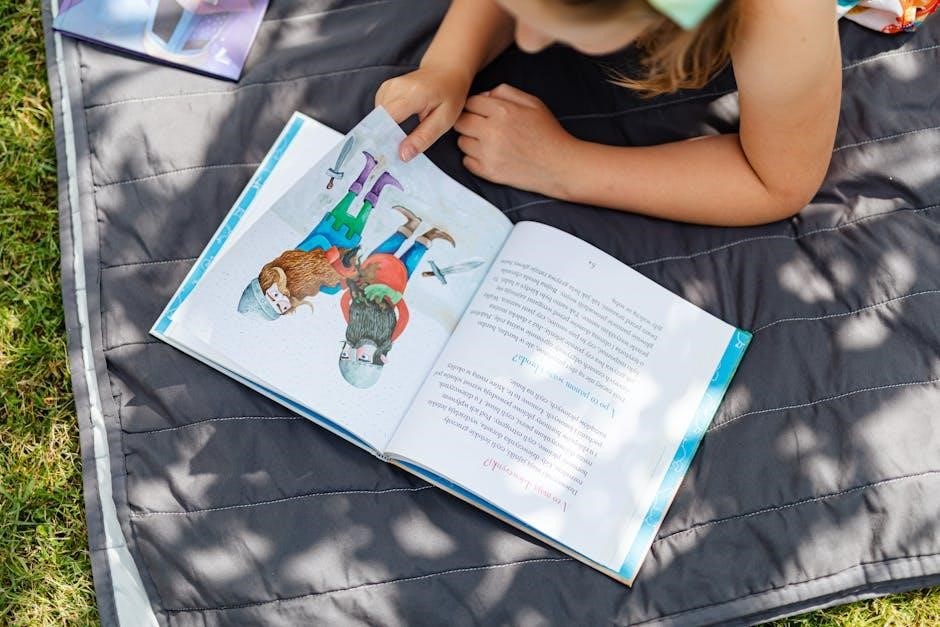
Understanding Guided Reading Level A for First Little Readers
Level A introduces emergent readers to foundational skills, utilizing simple texts with repetitive patterns and high-frequency words, fostering early reading confidence.
What is Guided Reading?
Guided Reading is a powerful instructional approach where teachers work with small groups of students who demonstrate similar reading behaviors. It’s a carefully orchestrated process, allowing educators to provide targeted support as students actively engage with texts at their instructional level – Level A for many first little readers.
This method focuses on developing key reading strategies like phonemic awareness, decoding, and comprehension. Teachers prompt students to problem-solve, monitor their understanding, and utilize effective reading habits. The goal is to build independent, proficient readers, starting with accessible texts like those found in the “First Little Readers” series;
The Fountas & Pinnell System
Fountas & Pinnell’s Guided Reading Model is a widely recognized and respected approach to literacy instruction. Their system meticulously levels texts – from Level A for emergent readers to Level Z for advanced ones – based on increasing complexity in features like vocabulary, sentence structure, and thematic content.
The “First Little Readers” series aligns directly with this system, offering a collection of original titles specifically designed for Level A. These packs, available for purchase, provide multiple copies of each book alongside accompanying lesson resources, enabling effective guided reading implementation and student progress monitoring.
Characteristics of Level A Texts
Level A texts are intentionally crafted for the very beginning stages of reading. They feature extremely simple sentence structures, often employing repetitive phrasing to build predictability and support decoding. Vocabulary is limited to high-frequency words that children typically recognize.
Illustrations play a crucial role, providing significant context and clues to meaning. These books generally target ages 4-6 and correlate with a Lexile measure around 20, making them ideal for Kindergarten readiness. The focus is on establishing foundational skills like left-to-right directionality and one-to-one word matching.

Key Features of “First Little Readers” ⸺ Level A
“First Little Readers” at Level A prioritize emerging skills, offering 25 irresistible books designed for beginning readers with simple, repetitive text.
Focus on Emerging Reading Skills
Level A books heavily emphasize foundational reading skills crucial for beginners. These texts concentrate on developing phonemic awareness, encouraging children to recognize and manipulate sounds within words. A key aspect is building a sight word vocabulary, utilizing high-frequency words repeatedly to promote automaticity.
The focus isn’t solely on decoding; comprehension is subtly woven in through predictable storylines and relatable content. These books aim to establish a positive first experience with reading, fostering confidence and a love for books as children begin their literacy journey.
Simple Sentence Structure and Repetition
Level A texts are deliberately crafted with extremely simple sentence structures, often following a subject-verb-object pattern. This clarity minimizes cognitive load, allowing beginning readers to focus on decoding individual words. Repetition is a cornerstone of these books, with key phrases and sentences recurring throughout the story.
This predictable pattern builds confidence and supports emergent readers in anticipating what comes next. The repetitive nature also reinforces sight word recognition and strengthens comprehension, making the reading experience less daunting and more successful for young learners.
High-Frequency Words in Level A
Level A books prioritize the inclusion of high-frequency words – those words that appear most often in written language. These commonly include “a,” “I,” “the,” “to,” “and,” “is,” and “in.” Mastering these words quickly is crucial for building reading fluency, as they form the building blocks of many sentences.
By repeatedly encountering these words in context, young readers begin to recognize them automatically, freeing up cognitive resources for decoding more challenging vocabulary. This focus on high-frequency words accelerates reading progress and fosters a sense of accomplishment.
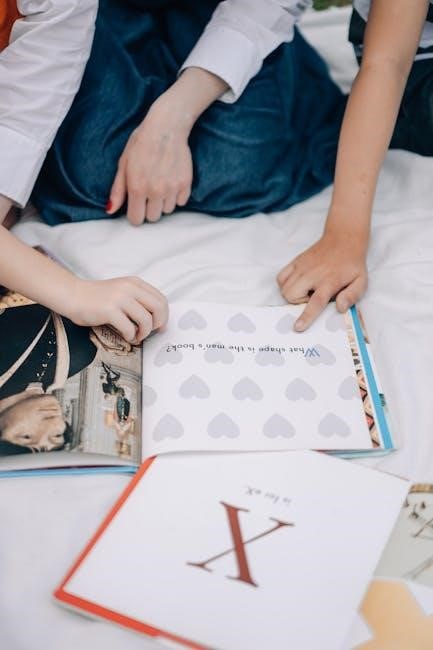
Benefits of Using Level A Books
Level A books build confidence, develop phonemic awareness, and enhance comprehension skills in beginning readers through simple, engaging texts and repetitive patterns.
Building Confidence in Beginning Readers
Level A books are specifically designed to nurture a positive first experience with reading. The simplicity of the text, coupled with predictable patterns and high-frequency words, allows children to experience success from the very start. This early success is crucial for building self-assurance and a genuine love for reading.
When children can independently decode words and comprehend simple sentences, their confidence blossoms. This newfound ability motivates them to tackle more challenging texts, fostering a growth mindset and a willingness to persevere. First Little Readers, at this level, provide a safe and supportive environment for these crucial early steps.
Developing Phonemic Awareness
Level A texts, like those in the First Little Readers series, subtly reinforce phonemic awareness – the ability to hear and manipulate individual sounds in words. While not explicitly focused on phonics drills, these books utilize repetitive language and simple word families, allowing children to naturally recognize sound patterns.
Exposure to these patterns helps build a foundation for decoding skills. Repeated readings and guided discussions can draw attention to beginning and ending sounds, preparing young learners for more formal phonics instruction. This early exposure is vital for developing strong reading and spelling skills later on.
Enhancing Comprehension Skills
Level A books, including the First Little Readers, prioritize building foundational comprehension skills in beginning readers. The simple narratives and predictable structures allow children to focus on understanding the story’s meaning, rather than struggling with decoding. Teachers can prompt recall by asking basic “who, what, where” questions.
Discussions centered around the illustrations further support comprehension, encouraging children to make connections between the text and images. This early focus on meaning-making establishes a crucial habit for lifelong reading success, fostering a love for stories and learning.

Comparing Level A to Other Reading Levels
Level A texts typically correlate with a Lexile measure around 20, designed for kindergarten readiness and the very first steps in reading instruction.
Level A vs. Lexile Measures (around 20)
Level A books generally align with a Lexile measure of approximately 20, indicating a very basic level of text complexity. This corresponds to the earliest stages of reading development, where children are just beginning to decode and comprehend simple sentences.
A Lexile of 20 signifies a limited vocabulary and highly predictable text patterns. These books are designed to build confidence in emergent readers, focusing on recognizing high-frequency words and establishing a foundation for more complex reading skills. While Lexile measures provide a helpful benchmark, it’s crucial to remember that they are just one piece of the puzzle when assessing a child’s reading level.
Level A and Kindergarten Readiness
Level A texts are perfectly suited for children entering kindergarten or those needing foundational support in early literacy. These books help bridge the gap between pre-reading skills and independent reading, aligning with kindergarten readiness expectations.
Successfully navigating Level A materials demonstrates a child’s emerging ability to recognize letters, understand basic phonics, and comprehend simple narratives. Exposure to these texts prepares them for the increasing demands of kindergarten reading curricula, fostering a positive attitude towards learning and building essential skills for future academic success.

Selecting Appropriate Level A Books
“First Little Readers Parent Pack” offers 25 engaging books ideal for beginning readers, providing targeted practice with essential skills at Level A.
“First Little Readers Parent Pack” ⎼ An Overview
The “First Little Readers Parent Pack” is specifically designed to support beginning readers at Guided Reading Level A. This comprehensive pack includes 25 irresistible books carefully crafted to be just the right level for those initial reading experiences.
These books focus on building a strong foundation in essential reading skills, utilizing simple sentence structures and a consistent emphasis on high-frequency words. The pack aims to foster confidence and a positive attitude towards reading, making it an excellent resource for parents and educators alike. It complements other early reading programs like Bob Books.
Considering Student Interests
Selecting Level A books that align with a child’s interests is crucial for engagement. While these texts focus on foundational skills, incorporating themes children enjoy—like animals, family, or everyday experiences—boosts motivation.
Observe what captivates each student; do they love dogs, as seen in some Level A examples? Providing choices, even within the limited scope of Level A texts, empowers young readers and fosters a love of reading. Remember, a positive experience at this early stage is paramount for future success;

Strategies for Guided Reading at Level A
Level A strategies involve pre-reading discussions, focusing on picture walks, and providing support during reading to decode words and build fluency.
Pre-Reading Activities
Before diving into Level A texts, engage students with picture walks, prompting predictions about the story based on illustrations. Discuss the cover and title, activating prior knowledge and building anticipation. Focus on identifying familiar high-frequency words within the book.
Encourage children to make connections between the story and their own experiences. Briefly discuss the characters and setting, setting a purpose for reading. Ask open-ended questions like, “What do you think will happen?” to stimulate thinking and foster engagement with the upcoming text.
During-Reading Support
As students read Level A books, provide gentle prompting when they encounter unfamiliar words, encouraging them to sound out or use picture clues. Model fluent reading, pausing strategically to emphasize key phrases. Reinforce the use of pointer skills, tracking print from left to right.
Offer positive reinforcement and encouragement, celebrating their efforts. Prompt self-correction when errors occur, guiding them back to the text. Focus on confirming comprehension through brief check-ins, asking simple questions about the story’s events and characters.

Extending Learning Beyond the Book
Post-reading activities solidify comprehension and build skills; engaging games and discussions reinforce concepts introduced in Level A “First Little Readers” texts.
Post-Reading Discussions
Following a Level A “First Little Readers” book, initiate discussions focusing on recalling key details and characters. Encourage children to retell the story in their own words, promoting sequencing skills. Ask open-ended questions like, “What happened first?” or “How did the character feel?”
Focus on the high-frequency words encountered, asking students to identify them within the text and use them in new sentences. Discuss the illustrations, prompting observations and connections to the story. These conversations build comprehension and oral language skills, vital for emerging readers.
Related Activities and Games
Extend learning beyond the “First Little Readers” book with engaging activities. Word hunts focusing on high-frequency words reinforce recognition. Simple matching games pairing pictures with corresponding words build vocabulary. Encourage students to draw their favorite part of the story, then verbally share their artwork.
Create a class “big book” retelling the story collaboratively. Utilize puppets or props to act out scenes, enhancing comprehension and dramatic play. These playful extensions solidify reading skills and foster a love for books.

Resources for Level A Guided Reading
Fountas & Pinnell collections offer original Level A titles, alongside lesson folders. Numerous online resources and printable materials support emergent readers’ development;
Fountas & Pinnell Guided Reading Collections
Fountas & Pinnell offer comprehensive collections designed to build a robust guided reading library. These collections span levels A through Z, providing a continuous progression for students. Each level includes multiple original titles – six copies per title – facilitating small group instruction.
Accompanying each title is a dedicated lesson folder, equipping teachers with targeted support for pre-reading, during-reading, and post-reading activities. This structured approach ensures effective guided reading experiences, advancing students’ fluency and comprehension skills with increasingly challenging texts. Purchasing options allow for gradual collection building.
Online Resources and Printable Materials
Numerous online platforms offer supplementary materials for Level A guided reading. Websites provide printable activities, focusing on phonemic awareness and high-frequency word recognition, crucial for emergent readers. These resources often include letter-sound correspondence practice and simple sentence-building exercises.
Teachers can find downloadable worksheets, games, and assessment tools to reinforce concepts introduced in “First Little Readers” books. Digital resources also offer interactive reading experiences, enhancing engagement and providing immediate feedback for young learners, supporting individualized instruction.

Progression Beyond Level A
Readers advance to Level B with increased complexity, building upon foundational skills established in Level A, fostering fluency and comprehension growth.
Moving to Level B and Beyond
Transitioning from Level A, students encounter Level B texts featuring slightly longer sentences and more varied vocabulary, continuing the development of decoding skills. Subsequent levels, like C through Z within the Fountas & Pinnell system, progressively increase in complexity. These levels introduce more challenging phonetic elements, diverse sentence structures, and richer themes.
Careful assessment is crucial to determine readiness for each new level, ensuring students are appropriately challenged without being overwhelmed. This progression builds upon foundational skills, fostering a lifelong love of reading and enabling students to tackle increasingly sophisticated texts with confidence and comprehension.
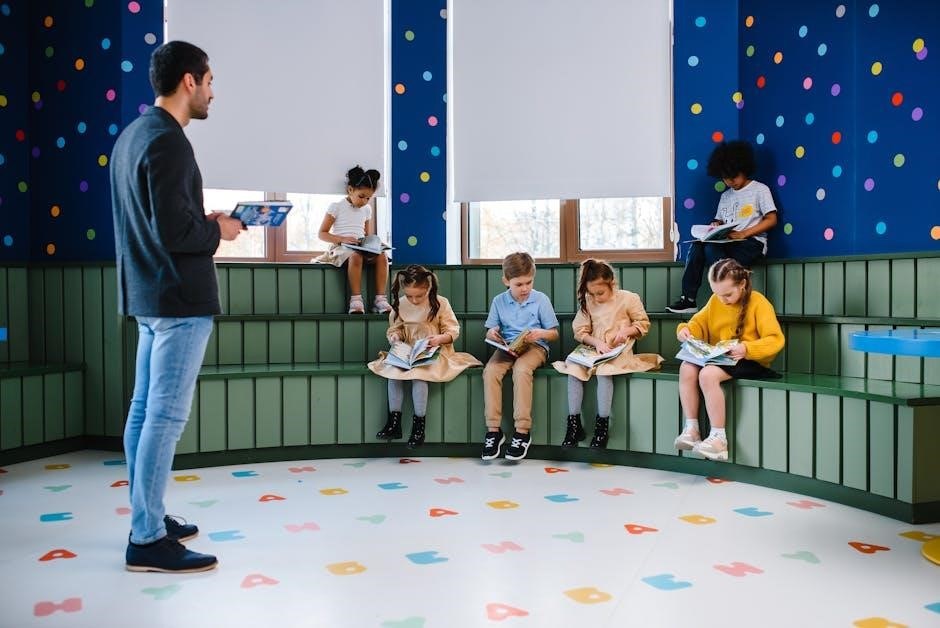
Assessing Readiness for Higher Levels
Evaluating a student’s progression beyond Level A requires observing their fluency, accuracy, and comprehension. Can they consistently decode simple words and retell the story’s main events? Do they demonstrate understanding of basic concepts like character and setting? Observing these skills indicates readiness.
Formal assessments, alongside anecdotal notes, provide a comprehensive picture. Teachers should look for consistent success with Level A texts before introducing Level B. A gradual increase in complexity ensures continued growth and prevents frustration, fostering a positive reading experience.