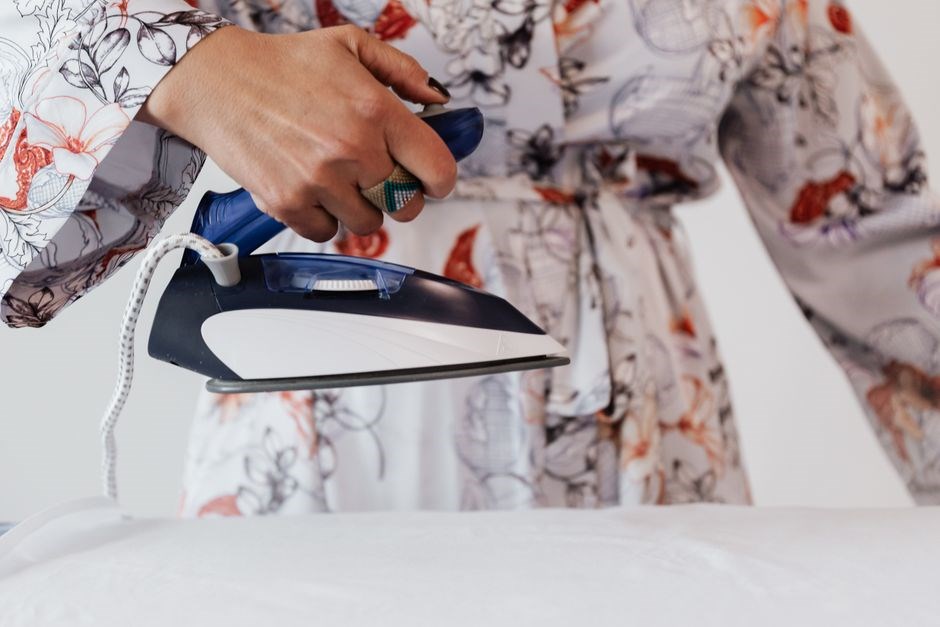
Rowenta irons blend ergonomic design with advanced steam technology, offering models from the classic line to the Pro‑Steam series. Each unit prioritizes user comfort, precise temperature control, and durable soleplates, ensuring efficient wrinkle removal across fabrics. Perfect for home and use. and safety
Comparative Overview of Popular Rowenta Series such as Classic, SteamPlus, and Pro‑Steam
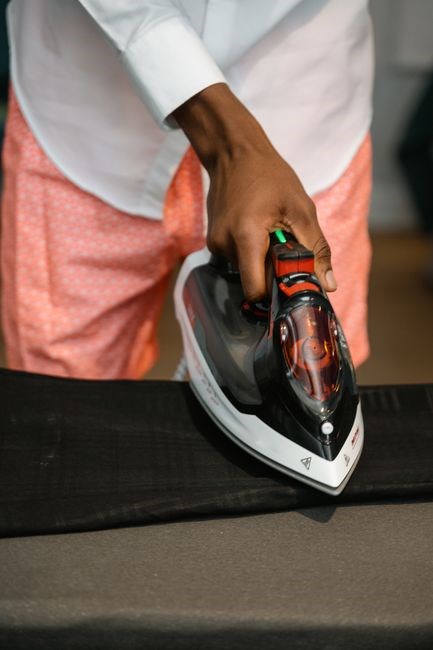
Rowenta’s lineup is organized around three core families that cater to different user needs and budgets. The Classic series, introduced in the early 2000s, focuses on reliability and simplicity. It features a single‑temperature dial, a 120‑W heating element, and a steel soleplate that delivers uniform heat distribution for everyday cottons and linens. Its design emphasizes a lightweight chassis, a 2‑m power cord, and a straightforward steam button, making it ideal for quick touch‑ups and casual ironing sessions.
The SteamPlus line, launched later, builds on the Classic’s foundation by adding a higher‑power heating element (150 W) and a larger water reservoir (300 ml). It incorporates a variable steam control that lets users toggle between a gentle mist for delicate fabrics and a high‑pressure burst for stubborn wrinkles. The soleplate is now a polished steel with a ceramic coating, enhancing glide and reducing scorch marks. SteamPlus also introduces a safety lock and an auto‑off feature that shuts the iron down after 30 minutes of inactivity.
At the top of the range is the Pro‑Steam series, aimed at professionals and serious hobbyists. Pro‑Steam irons boast a 200 W heating element, a 400 ml reservoir, and a dual‑mode steam system that delivers both continuous and burst steam. The soleplate is a premium titanium alloy, engineered for rapid heat transfer and long‑term durability. Advanced features include a digital temperature display, an adjustable heat‑setting wheel for wool, silk, and synthetic blends. Pro‑Steam’s robust build ensures reliable performance for garment.
Electrical Safety Standards and Proper Usage of Rowenta Iron Cords
Rowenta irons comply with IEC 60335 and UL 60335 standards, ensuring safe operation. Use the supplied 2‑m cord, avoid over‑stretching, and keep it away from heat sources. Ground the iron when possible, and never leave it unattended while hot. Keep the cord coiled, and never expose it to water or high humidity.!!
Guidelines for Grounding, Over‑Voltage Protection, and Safe Placement of the Iron
Grounding is essential for safety. Connect the iron’s grounding pin to a properly grounded outlet. If the plug lacks a ground, use a grounded extension cord. Over‑voltage protection is built into Rowenta irons; however, avoid plugging into outlets that exceed 240 V. Use a surge protector for added safety. Place the iron on a stable, heat‑resistant surface, away from edges, and keep it off the floor to prevent accidental spills. Ensure the cord is not twisted or pinched, and keep it clear of hot surfaces and water. When the iron is in use, keep the handle upright and the soleplate clean. After use, turn off the iron, unplug it, and let it cool before storing. Store the iron in a dry, well‑ventilated area, with the cord coiled loosely to avoid stress. Follow these guidelines to maintain electrical safety and prolong the life of your Rowenta iron. The iron’s grounding pin should be firmly inserted into a grounded outlet to complete the circuit and prevent stray voltage. If the iron’s cord is damaged or frayed, replace it immediately to avoid fire hazards and ensure proper grounding. Always keep the iron’s power switch in the OFF position when not in use, especially during long ironing sessions. When the iron is stored, ensure the cord is not kinked and the handle is not bent to maintain a safe, clean contact surface. For optimal performance, always use distilled or de‑mineralized water in the iron’s water reservoir to prevent mineral deposits and ensure consistent steam output. If you notice any irregularities such as sparks, unusual odors, or a sudden drop in heat, discontinue use immediately and contact Rowenta support. Follow all safety guidelines for proper use.
Core Components of a Rowenta Iron and Their Functional Roles
Rowenta irons feature a ceramic soleplate for even heat distribution, a precision steam valve for controlled mist, a heat‑sensing thermostat that adjusts temperature, and a water reservoir with a built‑in descaler. Together these components ensure efficient wrinkle removal and protect fabrics. Durable design.
Detailed Look at Soleplate Materials, Steam Channels, and Heat‑Transfer Mechanics
Rowenta irons employ a range of soleplate materials—ceramic, stainless steel, and aluminum—to match specific fabric needs. Ceramic plates offer superior heat retention and a smooth glide, ideal for delicate silks and cottons. Stainless steel plates provide durability and a slightly rougher surface that grips heavier fabrics like denim. Aluminum plates are lightweight, heat quickly, and are suited for quick touch‑ups. Each plate is engineered with a micro‑channel network that directs steam precisely to the fabric, preventing pooling and ensuring even moisture distribution. The steam channels are integrated into the soleplate’s underside, allowing a controlled burst of vapor that penetrates fibers without oversaturating. Heat‑transfer mechanics rely on a dual‑zone heating element: a rapid‑heat zone for instant temperature rise and a steady‑heat zone that maintains consistent warmth during prolonged use. A built‑in temperature sensor monitors the plate’s surface and adjusts the element output to keep the iron within the user‑selected range, preventing scorch marks. The combination of material choice, steam channel design, and precise heat control results in efficient wrinkle removal while preserving fabric integrity.
Now to enhance heat transfer, Rowenta irons use a thin, thermally conductive layer beneath the soleplate that spreads heat evenly across the contact surface, reducing hot spots and ensuring edge temperatures match the target. The chassis houses a low‑resistance heating coil that delivers power directly to the soleplate, minimizing energy loss. The steam generator employs a high‑pressure pump forcing water through micro‑nozzles, producing fine mist that adheres to fabric. This nozzle design also prevents clogging by flushing mineral deposits during normal operation, ensuring reliable performance across a wide range of textiles.
Step‑by‑Step Ironing Procedure for Everyday Fabrics
Set temperature, preheat, use steam, press, glide, avoid staying too long, check for shine, finish with cool‑down. For cotton, use high heat; wool, medium; silk, low. cool before storage!!!.
Temperature Settings, Steam Utilization, and Techniques for Cotton, Wool, and Silk
When ironing cotton, set the iron to the highest temperature setting, typically 210–220 °C, and use the high‑steam mode. Spray a fine mist across the fabric, then glide the iron in a steady, overlapping motion. The steam penetrates fibers, loosening wrinkles quickly while the heat seals the surface. For wool, reduce the temperature to 140–160 °C and select a medium‑steam setting. Wool fibers are delicate; excessive heat can scorch them. Use a wool‑specific soleplate if available, and press lightly in short bursts, allowing steam to soften the fibers before applying gentle pressure. Silk requires the lowest temperature, around 110–120 °C, and a low‑steam or no‑steam setting. Because silk is prone to burn marks, use a pressing cloth between the iron and the fabric. Spray a light mist, then move the iron in a circular or back‑and‑forth pattern, keeping the iron moving to avoid heat buildup. Always test a hidden area first to ensure the temperature is suitable. For all fabrics, keep the iron moving to prevent scorching, and use the steam burst feature for stubborn creases. After ironing, let the garment cool on a hanger before folding to lock in the smooth finish. Proper temperature control, judicious steam use, and tailored techniques for each fiber type ensure a crisp, wrinkle‑free result without damage.
Keep the iron’s tip clean to maintain optimal heat transfer. A clogged soleplate reduces steam output and causes uneven heating. After each use, wipe the soleplate with a damp cloth and let it dry before storing. If you notice any discoloration or residue, perform a quick descaling with a vinegar solution to restore performance. These small steps extend the iron’s life and keep garments looking pristine. Follow these guidelines and your iron will perform reliably for years. Keep it dry. and clean.
Routine Maintenance and Cleaning Strategies to Prolong Iron Life
Descale weekly with vinegar, rinse, and dry. Clean the soleplate with a damp cloth; avoid abrasive pads. Empty the water reservoir after each use. Check for mineral buildup and remove with a soft brush. Store upright in a dry place. Follow these steps to extend iron life. Keep iron to avoid mineral buildup.
Descaling Process, Steam Vent Cleaning, and Prevention of Mineral Build‑up
To keep your Rowenta iron operating at peak performance, perform a thorough descaling routine each month. Fill the water reservoir with a 50:50 mixture of distilled water and white vinegar, then heat the iron to the highest steam setting. Allow the mixture to steam for 10 minutes, then turn off the iron and let it cool. Empty the reservoir, rinse it with clean water, and dry completely. For steam vent cleaning, remove the vent cover and use a soft brush or a cotton swab dipped in warm soapy water to dislodge any mineral deposits. Rinse thoroughly and rinse before reassembling. Prevent mineral build‑up by using only distilled or de‑mineralized water, especially in hard‑water regions. Store the iron with the plug removed and the water reservoir empty to avoid stagnant water, which accelerates mineral deposition. Regularly inspecting the soleplate for residue and wiping it with a damp cloth will also help maintain optimal heat transfer and prolong the iron’s lifespan.
In addition, always allow the iron to cool before storage to prevent condensation inside the unit. If you live in a humid climate, consider using a dehumidifier near the ironing area to reduce mineral load. Periodic inspection of the steam nozzle for clogs can save you from sudden steam loss. A gentle wipe of the soleplate with a soft cloth after each use removes any surface residue that could otherwise harden into scale. Finally, keep a small bottle of distilled water nearby for quick refills during long ironing sessions, ensuring consistent steam output and protecting the iron’s internal components from mineral damage!
Troubleshooting Common Issues with Rowenta Iron Performance
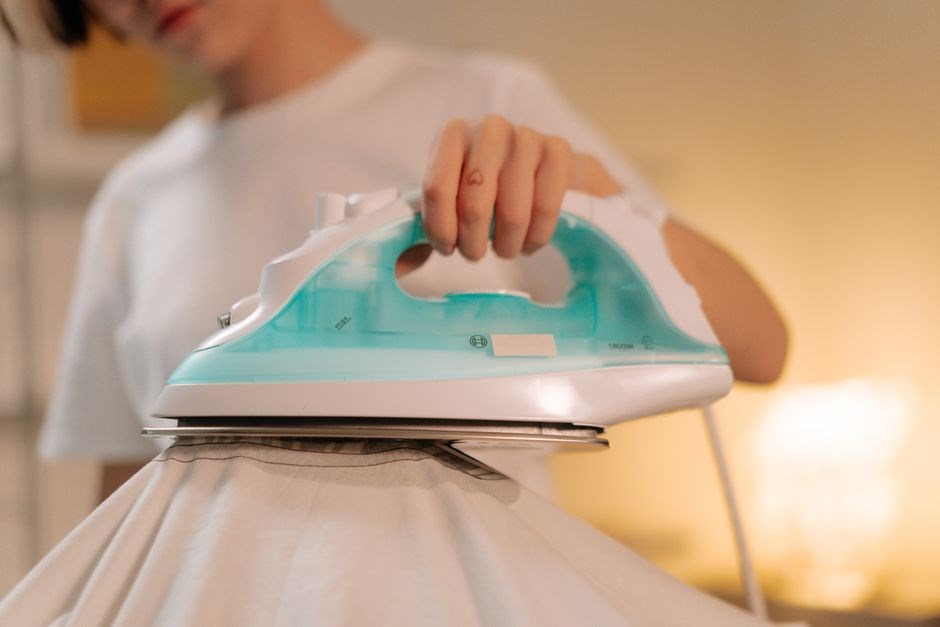
Check power cord, ensure outlet is grounded, and verify settings match fabric. If no heat, inspect thermostat and heating element; replace if damaged. For no steam, clean vents and descale. Leakage indicates cracked reservoir—stop use and contact support. Replace parts per manual. Check manual. See FAQ.
Diagnosing No‑Heat, No‑Steam, and Leakage Problems and Their Fixes
When a Rowenta iron shows no heat, first verify that the power cord is firmly plugged into a grounded outlet and that the switch is set to the correct temperature setting for the fabric at hand. If the iron still fails to warm, inspect the thermostat and heating element for visible damage or scorch marks; a blown fuse or a shorted element will prevent heat transfer. Replace the thermostat or element in accordance with the replacement part list in the user manual. For a no‑steam condition, begin by checking the water reservoir for adequate water level and ensuring the fill cap is seated correctly. If the reservoir is full yet steam output is absent, clean the steam vents and the internal steam channel with a soft brush or a cotton swab dipped in distilled water to remove mineral deposits. Descaling the iron with a vinegar solution, followed by a thorough rinse, often restores normal steam function. Leakage from the iron typically indicates a cracked or warped water reservoir, a damaged steam valve, or a faulty seal on the steam outlet; Inspect the reservoir for cracks or deformation; if found, discontinue use and replace the reservoir with an OEM part. If the steam valve shows signs of corrosion or blockage, remove the valve, rinse with distilled water, and re‑install. In cases where the leak originates at the steam outlet, clean the outlet with a cotton swab or a small brush, ensuring no debris remains. After performing these checks, re‑assemble the iron, refill the reservoir, and test the iron on a towel to confirm that heat, steam, and pressure are functioning correctly. Remember to use distilled or filtered water whenever possible, as tap water can accelerate mineral buildup and reduce performance. Additionally, schedule a quarterly descaling routine and inspect the soleplate for scratches or uneven wear, which can affect heat distribution and lead to uneven ironing results. Use the iron’s auto‑off feature to prevent overheating. Keep tip clean to avoid clogging. If problems persist, consult the Rowenta customer support portal for further diagnostics or to arrange a repair under warranty. Maintaining proper water quality, regular cleaning, and timely replacement of worn components will prevent most no‑heat, no‑steam, and leakage issues and extend the life of the iron.
Warranty Coverage, Replacement Parts, and Official Support Access
Rowenta’s standard warranty covers manufacturing defects for one year from purchase. Replacement parts, such as soleplates and water reservoirs, are available through authorized dealers. For claims, submit proof of purchase, describe the issue, and contact customer support via email or phone.
Understanding Warranty Terms, Claim Procedure, and Contacting Rowenta Customer Service
Rowenta offers a comprehensive warranty that protects your iron against manufacturing defects and faulty components for a period of one year from the date of purchase. To initiate a claim, you must first verify that the issue falls within the warranty scope—such as loss of heat, steam failure, or electrical malfunction—and that the product has been used in accordance with the user manual. Gather the original receipt or proof of purchase, note the model number, serial number, and the date of purchase, and provide a concise description of the problem. Next, contact Rowenta Customer Service through one of the following channels: call the dedicated support line at 1‑800‑ROWENTA, email support@rowenta.com, or use the online chat feature on the official Rowenta website. When you reach a representative, present the collected documentation and follow their instructions for troubleshooting. If the issue is confirmed as a warranty claim, Rowenta will arrange for a repair, replacement, or refund, depending on the product’s condition and the availability of parts. For international customers, the warranty is honored in the country of purchase, and shipping of the defective unit to an authorized service center is typically covered. If you prefer to self‑service, authorized retailers can provide replacement parts such as soleplates, water reservoirs, and heating elements, but the warranty will only cover the parts themselves, not the labor. By adhering to these guidelines, you can ensure that your Rowenta iron remains reliable and that any legitimate issues are resolved efficiently.