Catalan cuisine, originating from Catalonia in northeastern Spain, is a vibrant and flavorful reflection of the region’s rich cultural heritage. This Mediterranean diet is deeply rooted in tradition, yet it embraces innovation, making it a unique culinary experience. Catalan dishes often feature fresh, locally sourced ingredients, showcasing the region’s commitment to quality and sustainability.
At the heart of Catalan cooking are staple ingredients like olive oil, garlic, tomatoes, and beans, which form the foundation of many iconic dishes. Pa amb tomàquet (bread with fresh tomato) and escalivada (roasted vegetables) are simple yet flavorful examples of the region’s culinary prowess. Seafood and meat dishes, such as suquet de peix (fish stew) and botifarra amb mongetes (white beans with sausage), highlight the diversity of Catalan gastronomy.
Catalan cuisine is not just about food; it’s a celebration of community and history. Meals are often enjoyed in a convivial setting, emphasizing the importance of shared experiences. The region’s chefs, from home cooks to Michelin-starred restaurants, continue to innovate while honoring traditional techniques, ensuring that Catalan cuisine remains a cornerstone of Spanish gastronomy.
With its bold flavors, seasonal ingredients, and cultural significance, Catalan cuisine offers a delicious journey through the heart of Catalonia. Whether you’re exploring its rustic dishes or modern interpretations, every bite tells a story of tradition, creativity, and passion.
History of Catalan Cuisine
Catalan cuisine, a culinary tradition from the Catalonia region in northeastern Spain, boasts a rich and diverse history that spans centuries. This gastronomic heritage is a testament to the cultural, social, and geographical influences that have shaped the region over time. From ancient times to the present day, Catalan cuisine has evolved through various historical periods, each leaving its mark on the region’s culinary identity.
Ancient Roots: Pre-Roman and Roman Influences

The earliest roots of Catalan cuisine can be traced back to the pre-Roman era, when the Iberian Peninsula was inhabited by various indigenous tribes. These early inhabitants lived off the land, relying on hunting, fishing, and agriculture for sustenance. The introduction of wheat, olives, and grapes by the Phoenicians and Greeks around 1000 BCE laid the foundation for many staple ingredients in Catalan cuisine.
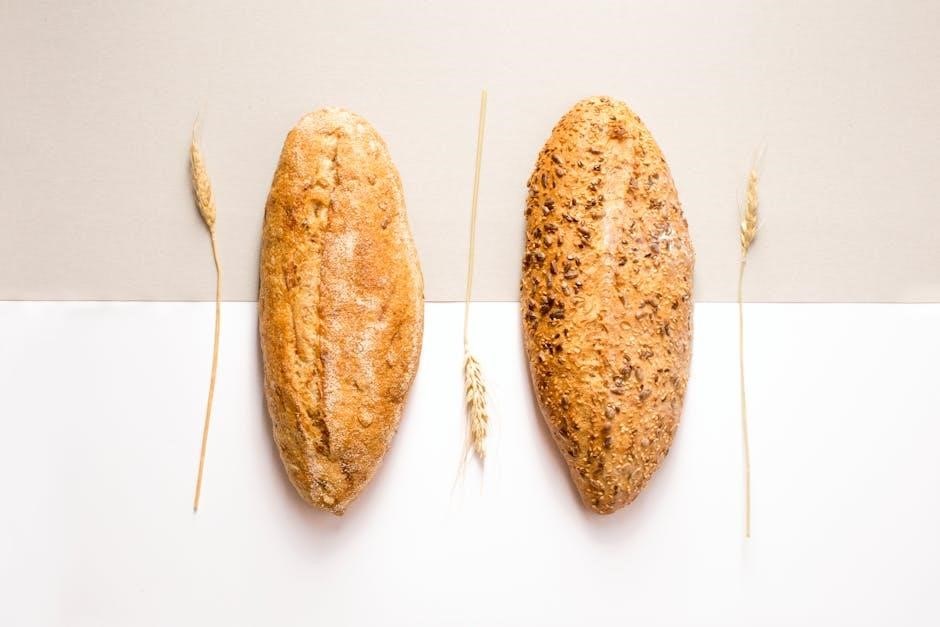
With the arrival of the Romans in the 3rd century BCE, Catalan cuisine began to take on a more defined character. The Romans introduced advanced agricultural techniques, such as irrigation systems, and new crops like garlic and onions. They also brought their culinary practices, including the use of olive oil, which became a cornerstone of Mediterranean diets. The Roman influence can still be seen in traditional Catalan dishes like pa amb tomàquet (bread with fresh tomato) and escalivada (roasted vegetables).

The Middle Ages: Islamic and Christian Influences
The Middle Ages brought significant changes to Catalan cuisine, particularly with the arrival of the Moors in the 8th century. The Islamic conquest of the Iberian Peninsula introduced new ingredients and cooking techniques that would forever alter the region’s culinary landscape. Spices like saffron, cumin, and coriander, as well as crops like citrus fruits, almonds, and eggplants, became integral to Catalan cooking. The Moors also introduced advanced irrigation systems, which allowed for more efficient farming and the cultivation of a wider variety of crops.
Following the Christian reconquest of Catalonia in the 12th century, the region’s cuisine began to reflect the influence of Christian traditions. Monasteries played a crucial role in preserving and developing culinary practices during this period. Monks cultivated vineyards, olive groves, and gardens, and they developed recipes that incorporated local ingredients. The use of pork, for example, became more prevalent, as it was a staple in Christian diets. Dishes like botifarra amb mongetes (white beans with sausage) and carn d’olla (stew) reflect this period’s culinary legacy.
The Golden Age: Catalan Cuisine in the 14th to 16th Centuries
The 14th to 16th centuries marked a golden age for Catalan cuisine, as the region experienced a period of cultural and economic prosperity. During this time, Catalonia was a major maritime power, with trade routes extending across the Mediterranean. This exposure to new cultures and ingredients further enriched the region’s culinary traditions. Spices, nuts, and other luxury items from distant lands became common in Catalan kitchens, leading to the creation of elaborate dishes like mar i muntanya (sea and mountain), which combines seafood and meat.
The publication of the “Llibre de Sent Soví” in 1324, one of the oldest known Catalan cookbooks, highlights the sophistication of Catalan cuisine during this period. The book contains recipes that blend local ingredients with exotic spices, showcasing the region’s culinary creativity. Dishes like escudella (a hearty soup) and pollastre farcit (stuffed chicken) demonstrate the balance between simplicity and elegance that defines Catalan cooking.

The Modern Era: Revival and Innovation
By the 17th and 18th centuries, Catalan cuisine had reached a state of maturity, with a well-established repertoire of dishes that reflected the region’s history and geography. However, the 19th and 20th centuries brought new challenges and opportunities. The Industrial Revolution and urbanization led to changes in food production and consumption, while political upheavals, including the Spanish Civil War, disrupted traditional culinary practices.
In the late 20th century, Catalan cuisine experienced a renaissance, thanks in part to the efforts of chefs like Ferran Adrià, who gained international acclaim for his innovative approach to traditional Catalan dishes. Adrià’s work at elBulli, a Michelin three-star restaurant in Roses, Catalonia, helped to redefine modern Catalan cuisine, blending traditional techniques with cutting-edge creativity. His influence can still be seen in the region’s culinary scene, where chefs continue to push the boundaries of Catalan gastronomy.
Contemporary Catalan Cuisine
Today, Catalan cuisine is a vibrant and dynamic culinary tradition that honors its rich history while embracing modern innovations. The region’s commitment to using locally sourced, seasonal ingredients ensures that dishes remain authentic and flavorful. From the bustling markets of Barcelona to the cozy kitchens of rural villages, Catalan cuisine continues to be a source of pride and enjoyment for both locals and visitors.
The history of Catalan cuisine is a testament to the region’s resilience and creativity. Through centuries of cultural exchange, political change, and culinary innovation, Catalonia has developed a unique gastronomic identity that continues to captivate palates around the world. Whether it’s a simple dish like pa amb tomàquet or a complex creation like suquet de peix, Catalan cuisine offers a delicious journey through the region’s past and present.
Key Ingredients and Pantry Staples
Catalan cuisine is renowned for its rich flavors and reliance on high-quality, locally sourced ingredients. The region’s culinary identity is deeply rooted in its geography, with the Mediterranean Sea to the east, the Pyrenees Mountains to the north, and the fertile plains of the Ebro River to the west. This diverse landscape provides an abundance of fresh produce, seafood, and livestock, which form the foundation of Catalan cooking. In this section, we will explore the key ingredients and pantry staples that define Catalan cuisine, highlighting their role in traditional dishes and their cultural significance.
Olive Oil
Olive oil is the lifeblood of Catalan cuisine, as it is in much of the Mediterranean world. Catalonia is home to several olive oil-producing regions, with the olive groves of the Priorat and Empordà areas being particularly renowned. Catalan olive oil is known for its rich, fruity flavor and is used liberally in cooking, from sautéing vegetables to dressing salads. It is also a key component in many traditional dishes, such as pa amb tomàquet (bread with fresh tomato) and escalivada (roasted vegetables).

Garlic
Garlic is a fundamental ingredient in Catalan cooking, adding depth and complexity to a wide range of dishes. It is often used in combination with olive oil to create a flavorful base for soups, stews, and sauces. In some traditional recipes, garlic is roasted or caramelized to mellow its pungency, enhancing its sweetness and versatility. For example, in the classic Catalan dish escalivada, garlic is roasted alongside vegetables like eggplant, peppers, and onions, creating a deliciously aromatic side dish.
Tomatoes

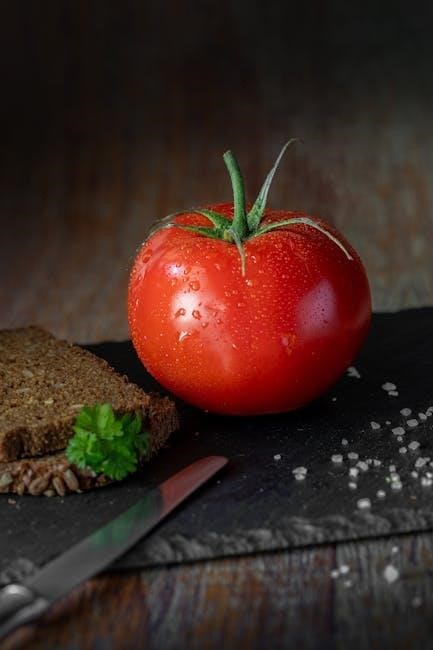
Tomatoes are a cornerstone of Catalan cuisine, particularly in their fresh and canned forms. Fresh tomatoes are often used in salads, sauces, and as a topping for bread, while canned tomatoes provide a convenient and flavorful base for stews, soups, and braises. The iconic pa amb tomàquet, a simple yet delicious dish consisting of bread rubbed with garlic and tomato and drizzled with olive oil, showcases the importance of tomatoes in Catalan cooking.
Onions
Onions are another essential ingredient in Catalan cuisine, adding a sweet and savory flavor to countless dishes. They are often sautéed with garlic to form the base of soups, stews, and sauces. In some recipes, onions are caramelized to bring out their natural sweetness, as in the case of cebes farcides (stuffed onions), a traditional Catalan dish filled with ground meat and spices.
Beans
Beans are a staple in Catalan cuisine, particularly white beans like mongetes. They are often used in hearty stews and casseroles, such as botifarra amb mongetes, a classic dish pairing white beans with Catalan sausage. Beans are also a key ingredient in escudella, a traditional Catalan soup that combines vegetables, meats, and grains in a nourishing and flavorful broth.
Nuts and Seeds
Nuts and seeds play a significant role in Catalan cuisine, particularly almonds and hazelnuts. These nuts are often used to add texture and flavor to dishes, whether as a garnish, in sauces, or as a main ingredient. For example, picada, a traditional Catalan sauce, is made from ground almonds, garlic, and breadcrumbs, and is served with dishes like suquet de peix (fish stew). Pine nuts are also commonly used in Catalan cooking, particularly in desserts like crema Catalana, the Catalan version of crème brûlée.
Cheeses
Catalonia is home to a variety of cheeses, each with its own unique flavor and texture. Formatge, a generic term for cheese, is often served as a table cheese or used in cooking. One of the most famous Catalan cheeses is mató, a fresh cheese similar to ricotta, which is often served with honey or as a dessert. Other notable cheeses include serrat, a cured goat’s milk cheese, and tupí, a strong, pungent cheese that is sometimes served with figs or membrillo (quince paste).
Cured Meats
Cured meats are a staple in Catalan cuisine, with botifarra (Catalan sausage) being one of the most iconic. Botifarra is made from pork and spices, and is often served with white beans or in a stew. Other cured meats, such as pernil (cured ham) and fuet (a type of salami), are also widely consumed. These meats are often served as part of a tapas selection or used to add flavor to dishes like stews and casseroles.
Fish and Seafood
Given Catalonia’s coastal location, fish and seafood play a significant role in the region’s cuisine. Fresh catches like cod, anchovies, and mussels are commonly used in dishes like suquet de peix (fish stew) and escalivada de marisc (seafood roast). Salted cod, known as bacallà, is also a staple in Catalan cooking, particularly in dishes like esqueixada, a salad of shredded cod, olives, and romesco sauce.
Preserved Foods
Preserved foods, such as olives, capers, and pickled vegetables, are used to add bursts of flavor to Catalan dishes. Olives, in particular, are a common ingredient, whether served as a snack, used in sauces, or added to stews and salads. Capers are also frequently used, particularly in dishes like escalivada and suquet de peix, where they add a tangy, salty flavor.
Spices and Herbs
Spices and herbs are used judiciously in Catalan cuisine to enhance the natural flavors of ingredients. Saffron, for example, is a key spice in many traditional dishes, including arròs a la catalana (Catalan-style rice